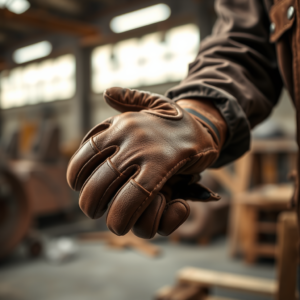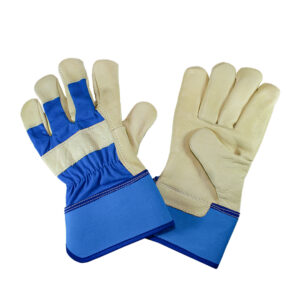


Whether for protection or labor, investing in high-quality leather gloves is a wise move. It might be intimidating to enter the area of glove construction, though. By shedding light on the essential elements of leather glove production, this buyer’s guide will enable you to make wise decisions.
First, let’s explore the different types of leather used in leather gloves. Full-grain leather, known for its durability and natural beauty, is a top choice. Top-grain leather offers a good balance of durability and affordability. And finally, genuine leather, while less durable than full-grain, still provides a respectable level of protection and a classic look. The type of leather directly influences the glove’s lifespan and feel.
Next, consider the construction methods. Many leather gloves are constructed using a combination of stitching techniques. Seams can be either stitched inside or outside, impacting both the glove’s aesthetic and durability. Inside seams provide a smoother, more comfortable fit, while outside seams are more durable and often preferred for work gloves. If you are sourcing from a reliable leather hand glove manufacturer in India, you’ll notice that the choice of stitching technique is often tailored to the glove’s intended use—whether for fashion, industrial safety, or heavy-duty applications. Understanding these differences will help you choose leather gloves best suited for your needs.
The lining is another crucial element. Leather gloves can be lined with various materials, each offering unique benefits. A cotton lining, for example, provides breathability and comfort, making it ideal for everyday wear. A fleece lining adds extra warmth, perfect for colder climates. Pay close attention to the lining when selecting leather gloves, as it significantly impacts comfort and overall performance.
Furthermore, the pattern and cut of the glove are critical. A well-designed pattern ensures a comfortable and secure fit. Consider the type of work or activity you’ll be using the gloves for. Gloves designed for dexterity will have a different cut than those meant for heavy-duty work. This will determine the level of dexterity and comfort you’ll experience when wearing your leather gloves.
Finally, don’t forget to check the quality of the leather and stitching. Inspect the seams carefully for any loose threads or imperfections. A well-made glove should have strong, even stitching. Read reviews to gain further insights into the quality of different brands and glove construction techniques. For additional information on maintaining your leather goods, be sure to check out our comprehensive guide on leather care on our website.
By understanding these key aspects of leather glove construction, you can make an informed decision and select the perfect pair for your specific needs. Remember to consider the type of leather, the construction methods, the lining, the pattern and cut, and the overall quality.